Tarot
Yes or No Tarot
Ask a question, draw one card and get a yes, no or maybe.
Open tool
Yes or no readings, card meanings and simple spreads you can try right now.
Tarot
Ask a question, draw one card and get a yes, no or maybe.
Open tool
Tarot
Spin for a random yes or no, or add your own two answers.
Open tool
Tarot
Three card, love, Celtic Cross and year ahead spreads, turned card by card.
Open tool
Tarot
A tarot duel: seven rounds against fate, then a reading from what is left standing.
Open tool
Tarot
One card a day, the same all day, with a private list of your recent cards.
Open tool
Tarot
Rune of the day or a three-rune cast, with the meanings of all 24 runes.
Open tool
A tarot deck has 78 cards. Twenty-two of them, the Major Arcana, carry the big themes: beginnings, endings, luck, loss, love and the long walk in between. The other 56, the Minor Arcana, are split into four suits, each tied to an element and a part of everyday life. Wands are drive and ambition, Cups are feelings and relationships, Swords are thoughts and conflict, and Pentacles are work, money and the body.
Every card page here follows the same plan, so you can jump straight to what you need: the picture itself, the upright and reversed meanings, love and feelings, a plain yes or no, work, the card as a person, and a short piece of advice. The meanings follow the tradition of the 1909 Rider–Waite–Smith deck and A. E. Waite’s own notes, retold in everyday language.
Not sure where to start? Draw a card in the yes or no tarot, then come back to read the card in full.
22 cards
56 cards
14 cards
14 cards
14 cards
14 cards
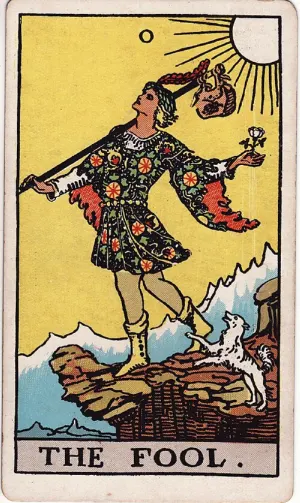
new beginnings · leap of faith · spontaneity
Yes
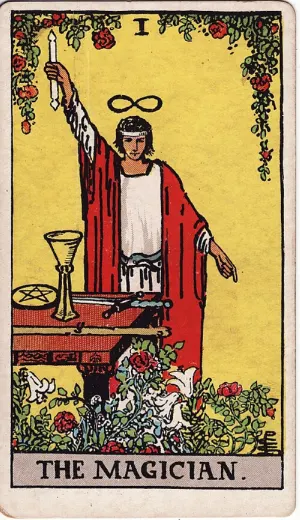
skill · focus · action
Yes
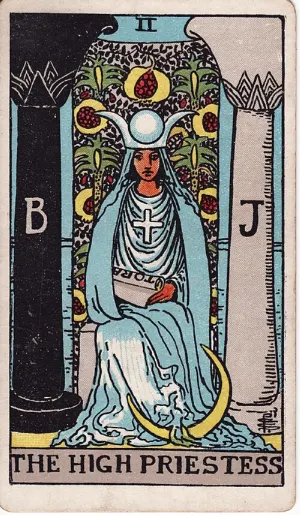
intuition · secrets · patience
Maybe
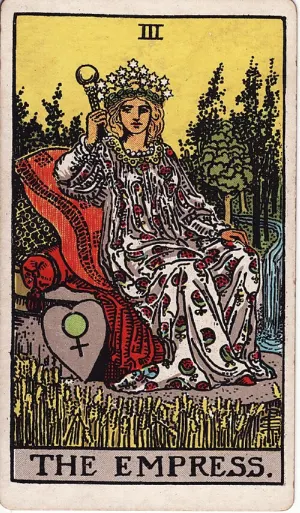
abundance · care · growth
Yes
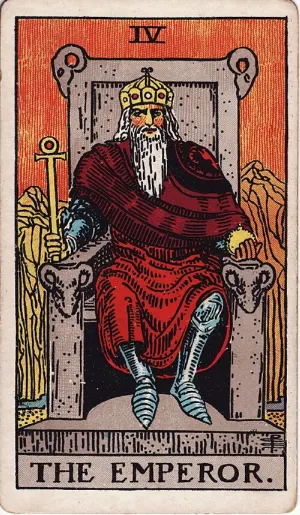
structure · authority · stability
Yes
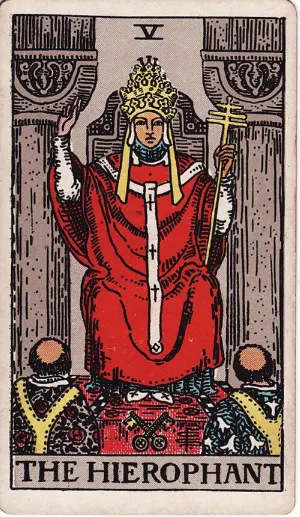
tradition · guidance · commitment
Maybe
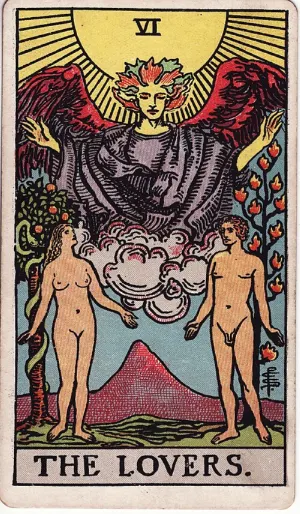
love · choice · alignment
Yes
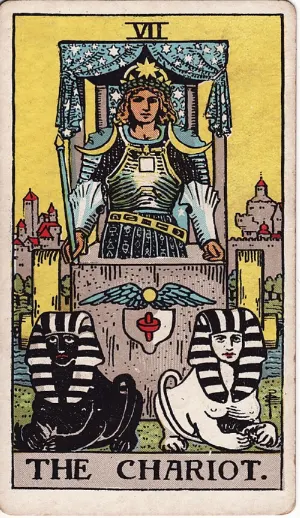
drive · willpower · victory
Yes
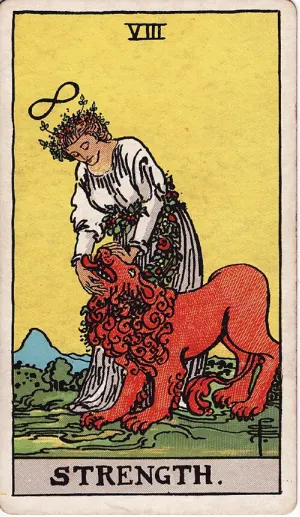
courage · patience · compassion
Yes
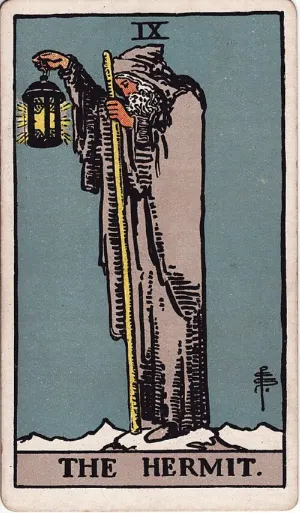
reflection · solitude · wisdom
Maybe
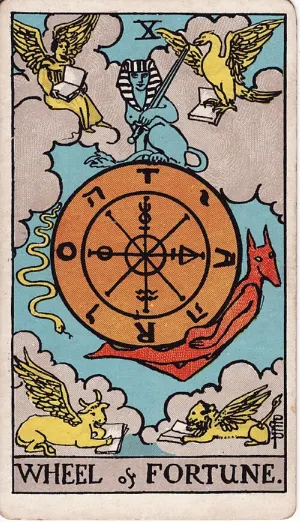
luck · cycles · turning point
Yes
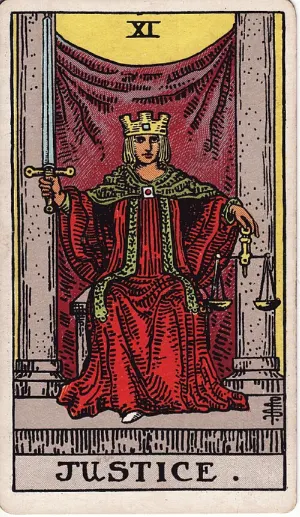
fairness · truth · consequences
Maybe
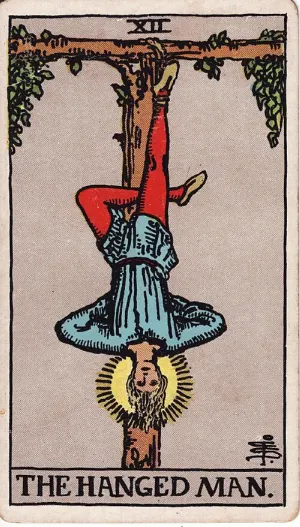
pause · surrender · new angle
Maybe
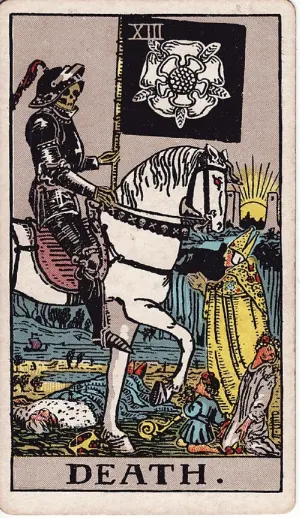
ending · transformation · release
No
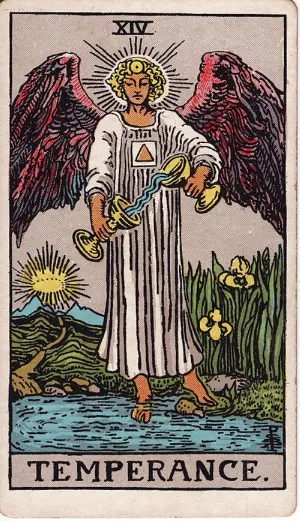
balance · moderation · healing
Yes
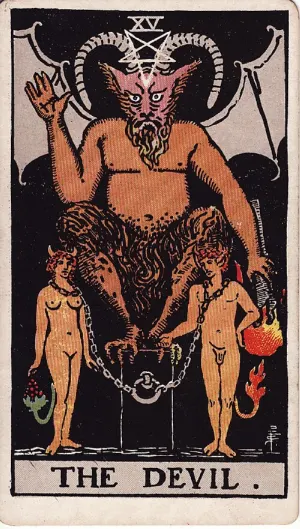
temptation · attachment · habits
No
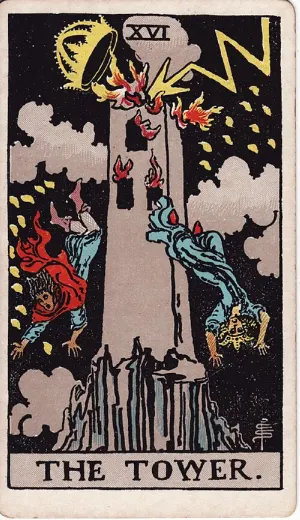
sudden change · revelation · collapse
No
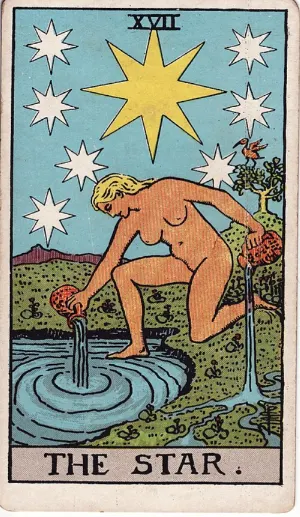
hope · renewal · calm
Yes
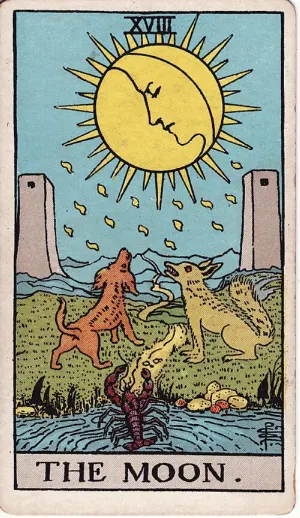
uncertainty · illusion · dreams
Maybe
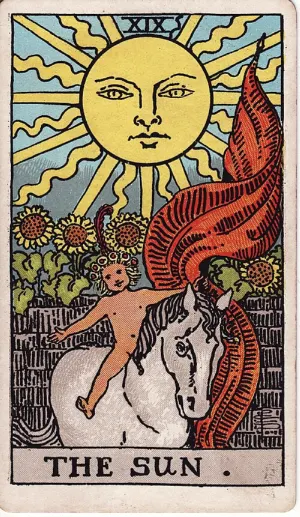
joy · success · clarity
Yes
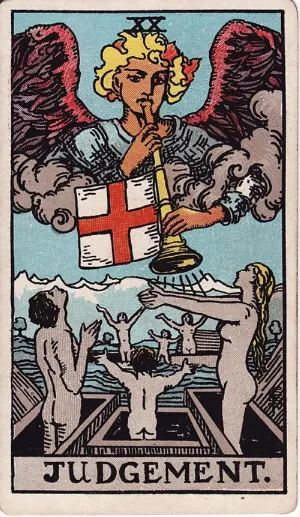
awakening · calling · second chance
Yes
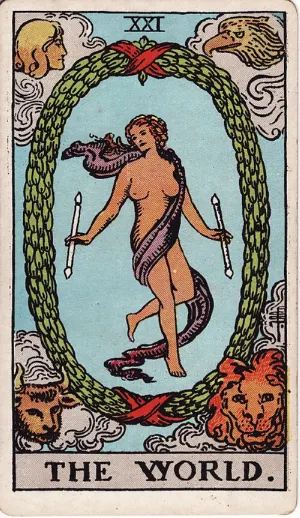
completion · achievement · wholeness
Yes
Tarot
Wunjo, the w rune, means joy. The Old English poem gives a modest definition of it: no sorrow, enough to live on and a decent house.
Tarot
Uruz, the rune of the wild ox, is read today as strength and stamina. The three old rune poems tell a more mixed story.
Tarot
Tiwaz, the t rune, carries the name of the one-handed god Tyr. Modern readers take it as justice, courage and keeping your word.
Tarot
Thurisaz is the th rune, called Thurs in Scandinavia and Thorn in England. Today it is read as an obstacle that asks for a pause.
Tarot
Sowilo, the s rune, means the sun: a hope for sailors, the light of the world, the destroyer of ice. Modern readers take it as clarity.
Tarot
Raidho, the r rune, means a ride. The old poems joke about how easy travel looks from indoors; modern readers take it as steady progress.
Tarot
Perthro, the p rune, has a name no scholar can translate. One verse links it to laughter in the hall; modern readers take it as chance.
Tarot
Othala, the o rune, means an inherited estate: the home that is dear to everyone. Modern readers take it as roots and belonging.
Tarot
Nauthiz, the n rune, means need. The Old English poem adds a twist: trouble helps those who heed it in time.
Tarot
Mannaz, the m rune, means a human being: dear to kin, made of dust, as the poems say. Modern readers take it as self and community.
Tarot
Laguz, the l rune, means water: an endless sea in one poem, a waterfall in another. Modern readers take it as flow and intuition.
Tarot
Kenaz, the k rune, is read today as a torch: insight and creative fire. The Scandinavian poems give the same rune a much darker name.
Tarot
Jera, the j rune, means the year and the harvest it brings. All three old poems call it a boon to everyone.
Tarot
Isa, the i rune, is one straight line and means ice: beautiful, slippery and still. Modern readers take it as a pause.
Tarot
Ingwaz, the ng rune, is named for Ing, who appears in one short, puzzling verse. Modern readers take it as completion and stored potential.
Tarot
Hagalaz, the h rune, means hail: the coldest of grain, as the poems put it. Modern readers take it as sudden disruption that passes.
Tarot
Gebo, the g rune, means a gift. One old poem describes it; modern readers add partnership and fair exchange.
Tarot
Fehu, the first rune of the Elder Futhark, stands for cattle and wealth that moves. Here is how to read it in a rune cast.